
Ceramic coating benefits and maintenance.
A car-care guide
Ceramic coating adds gloss and makes washing easier by changing how the surface interacts with water and dirt.
General guidance from 1.618 Dettagli Auto, Lajpat Nagar, New Delhi.
The short answer
What is ceramic coating?
Ceramic coating is a liquid-applied protective treatment that bonds to a suitable surface. Once applied, it becomes the surface you wash and dry. The product name matters because formulations, intended surfaces and care instructions differ. A useful proposal identifies all three before the work is agreed.
We name the coating, the surfaces and the preparation on your quote. Our ceramic coating service explains the treatment choice for your car.
Begin with the result you want: easier washing, a glossier appearance or care for a particular finish. Then consider the paint as it is now. The product choice and preparation should answer that brief, rather than making the package name the whole decision.
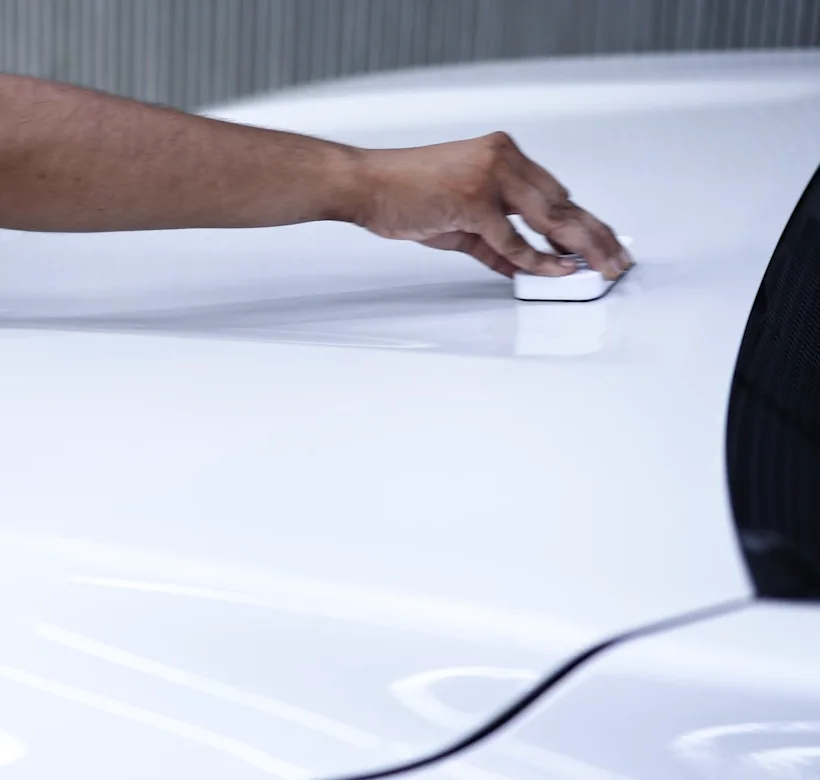
What changes
What are the benefits of ceramic coating?
Ceramic coating can improve gloss, water repellency and ease of cleaning. The practical benefit is a surface that is easier to look after with the right routine. Compare those properties for the actual product, alongside its intended surfaces and care instructions.
Coating will not stop stone chips, make paint scratch-proof or remove existing swirls. If chips are the priority, use the PPF and ceramic coating comparison to look at a physical film instead. Keeping the two jobs separate makes it easier to choose the treatment that addresses your main concern.
Judge appearance on a suitable sample and the condition of your own paint. For cleaning benefits, read what the maker specifies for washing and dealing with contamination. Chemical resistance is product-specific, so use that guidance when choosing cleaners or responding to a spill.
| Benefit | What to compare |
|---|---|
| Gloss | Desired appearance and existing paint condition |
| Water repellency | Product description and care instructions |
| Easier cleaning | Suitable washing products and methods |
| Contaminant resistance | Product-specific guidance for exposure and cleaning |
| Surface suitability | Named coating for the surface being treated |
In use
What does water beading tell you?
Water beading shows how water behaves on the surface at that moment. It is one observation, not a complete record of the coating job. Keep it alongside the product identity, preparation details and care history when discussing the finish.
If water behaviour changes, note when it happened and any recent cleaning or added treatment. A short video can help explain what you see. Give the installer that context before deciding on a new chemical or another layer. A change in one visible property needs interpretation in relation to the actual product.
Any suggested spray, sealant or topper should have a clear purpose and confirmed suitability. Record whether it is part of the product’s care requirements or an optional extra. This keeps a simple wash routine separate from a new treatment proposal and makes the ongoing cost easier to understand.
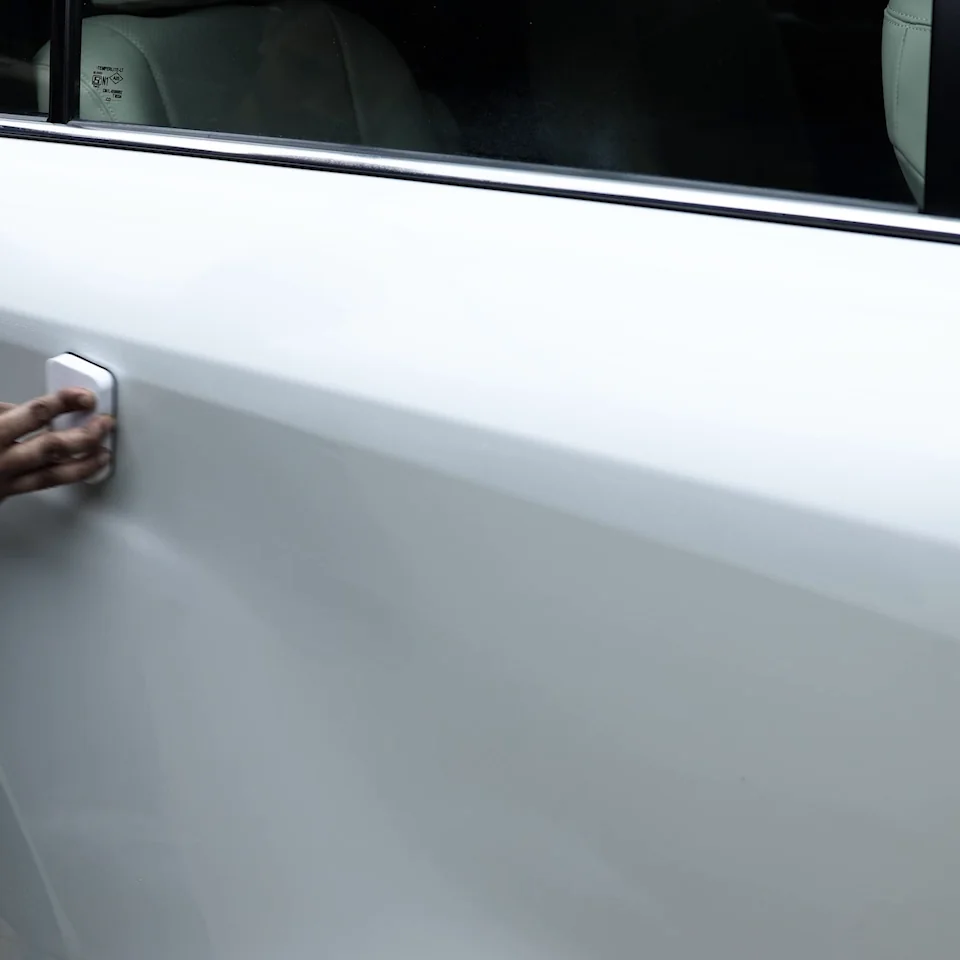
Before fitting
What preparation does ceramic coating need?
Ceramic coating needs a suitable, prepared surface, with any agreed paint correction completed before application. Washing, decontamination and polishing have different purposes. The proposal should explain which work your car needs and which stages are included, based on its condition.
Repainting, repairs and earlier coatings affect surface preparation. Correction addresses existing marks; coating treats the prepared surface. These are distinct stages, not interchangeable benefits.
Matte paint and film-covered panels need a product suited to their surface and intended appearance. The coating maker’s instructions establish suitability for the exact paint or film; a gloss-paint product is not automatically suitable for both.
Testing words
What do 9H and 10H mean?
9H and 10H are hardness labels that need a named test and product report to be useful. ASTM D3363 describes pencil hardness testing of organic coating films on suitable hard substrates. It supports relative comparisons within its test context, with variation linked to pencils and substrates.
For a product sold with a hardness figure, look for the test method, substrate and report behind the label. Keep pencil hardness separate from mineral-hardness scales. Two headline numbers are only useful to compare when you know how each was obtained.
The report should help explain a property of the coating, not replace the full buying brief. Surface suitability, preparation, appearance and care still belong in that brief. There is no need for a destructive demonstration on your paint to choose between two poorly explained marketing labels.
Product conditions
How long does ceramic coating last?
Ceramic coating durability depends on the named product and its stated conditions. Start with its current product information and the written terms for the proposed installation. Keep the durability description, warranty and studio support in separate fields so each has a clear meaning.
The applicable product terms identify the warranty issuer, registration requirements, care conditions and exclusions. A durability claim alone does not establish those terms or any application-support arrangement.
Ongoing care
How do you maintain a ceramic-coated car?
Maintain a ceramic-coated car with regular suitable washing and the selected product’s care instructions. Keep the first-wash and curing guidance on the handover sheet. Suitable cleaning and drying remain part of owning the finish, even when the coating makes the job easier.
Avoid abrasive brush washing and deal promptly with contamination using the specified method. If someone else washes your car, share the instructions and check the products they use. Keep the care sheet with the invoice so a change of wash provider does not mean losing that information.
Maintenance requirements come from the selected product’s instructions and applicable terms. A required care step and an optional appearance treatment serve different purposes; neither follows automatically from a package name.
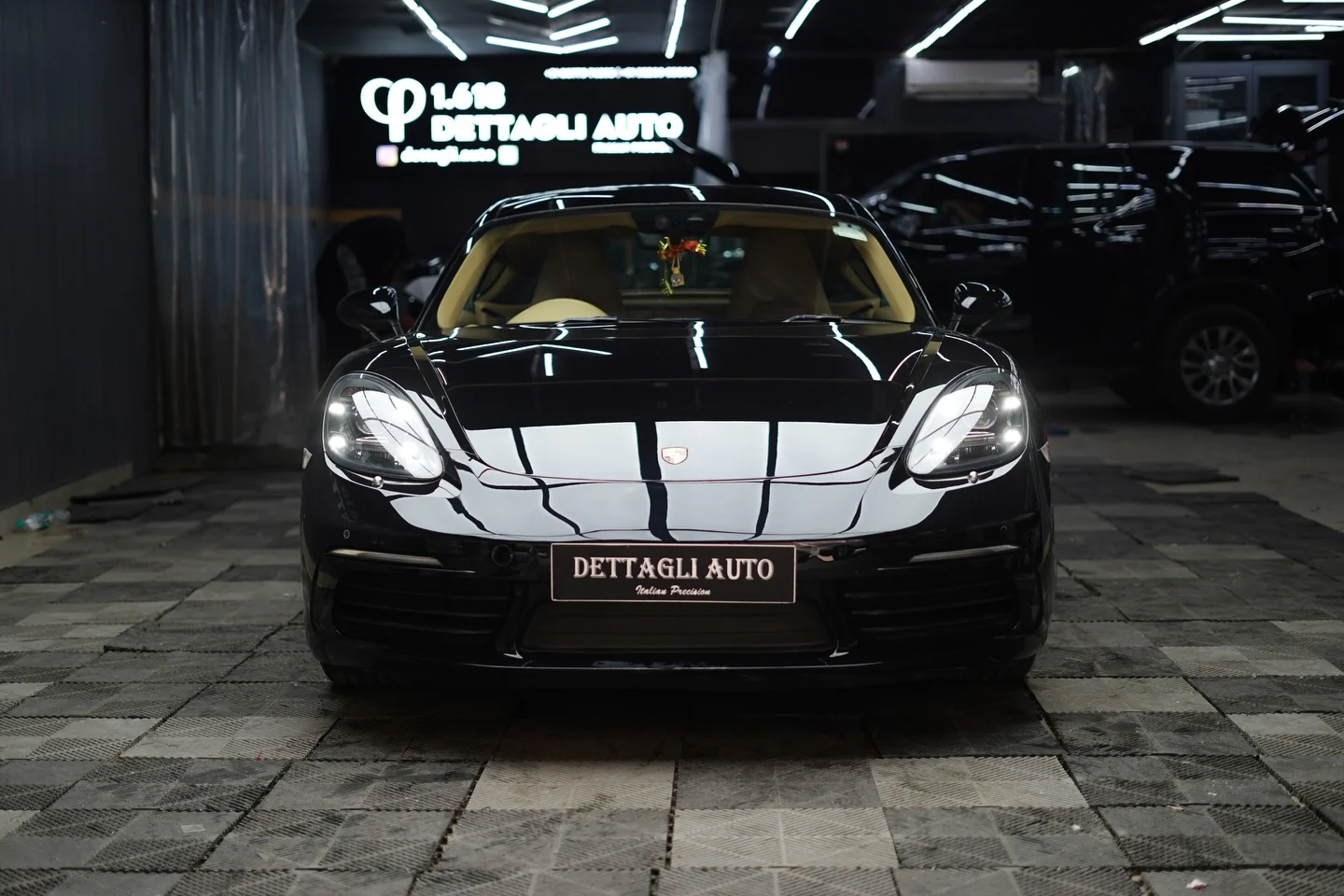
| Stage | Keep clear |
|---|---|
| Before collection | Curing and first-wash instructions |
| Routine washing | Suitable products, methods and drying |
| A new mark | Photos, recent care history and assessment contact |
| Maintenance visit | Purpose, included work, requirement and charge |
| Another treatment | Compatibility and reason for adding it |
Decide on scope
Should you choose ceramic coating or another treatment?
Choose ceramic coating for gloss and easier washing; consider PPF when a physical covering is the priority. Our PPF guide explains the film layer. For a colour or finish change, compare the actual material and intended result rather than choosing a treatment by category name alone.
For other coating labels, the ceramic, graphene and teflon comparison helps organise the product questions. Compare formulation information, relevant tests, surface suitability and the installed work. A more advanced-sounding title is less useful than a clear explanation of what you are buying.
You can also keep the current finish and improve its care routine before adding a treatment. List the benefit you want, the initial spend and the ongoing care involved. That gives you a straightforward basis for deciding whether coating belongs in your plan now.
- Choose the main aim: appearance, easier care or physical film coverage.
- Identify the exact product and surfaces to be treated.
- Paint condition, preparation and any correction required.
- Keep the quote, applicable terms and care instructions together.
A few answers
Questions before deciding
What is the main reason to get ceramic coating?
Choose it for the combination of appearance and easier washing that suits your car. Compare the actual product and preparation rather than the package title.
Should I choose film instead for chip protection?
Film is the option to compare for a physical covering over selected panels. Use the linked comparison to decide which job matters most to you.
How should I compare hardness claims?
Look for a named test, substrate and product report. Compare figures only when the method and context are clear.
What should a coating quote identify?
The product, surfaces, preparation, any correction, tax basis, written terms and handover care. Optional maintenance should be clearly separate.
Do I still need to wash the car?
Yes. Follow the selected product’s suitable washing and drying methods, with first-wash timing recorded at handover.
Message the studio with your car model and the finish or work you want to discuss.
Studio visit
Prefer to see the options in person?
Arrange a studio visit to discuss the named coating, suitable surfaces, preparation and care before deciding.
C-32, Lajpat Nagar II, New Delhi 110024
Listed hours: daily, 10 am–9 pm.
Directions
Call the studio
Use WhatsApp to send your car model and preferred visit date.
Contact details & listed hours
Related reading: PPF service, PPF price guide, ceramic service.
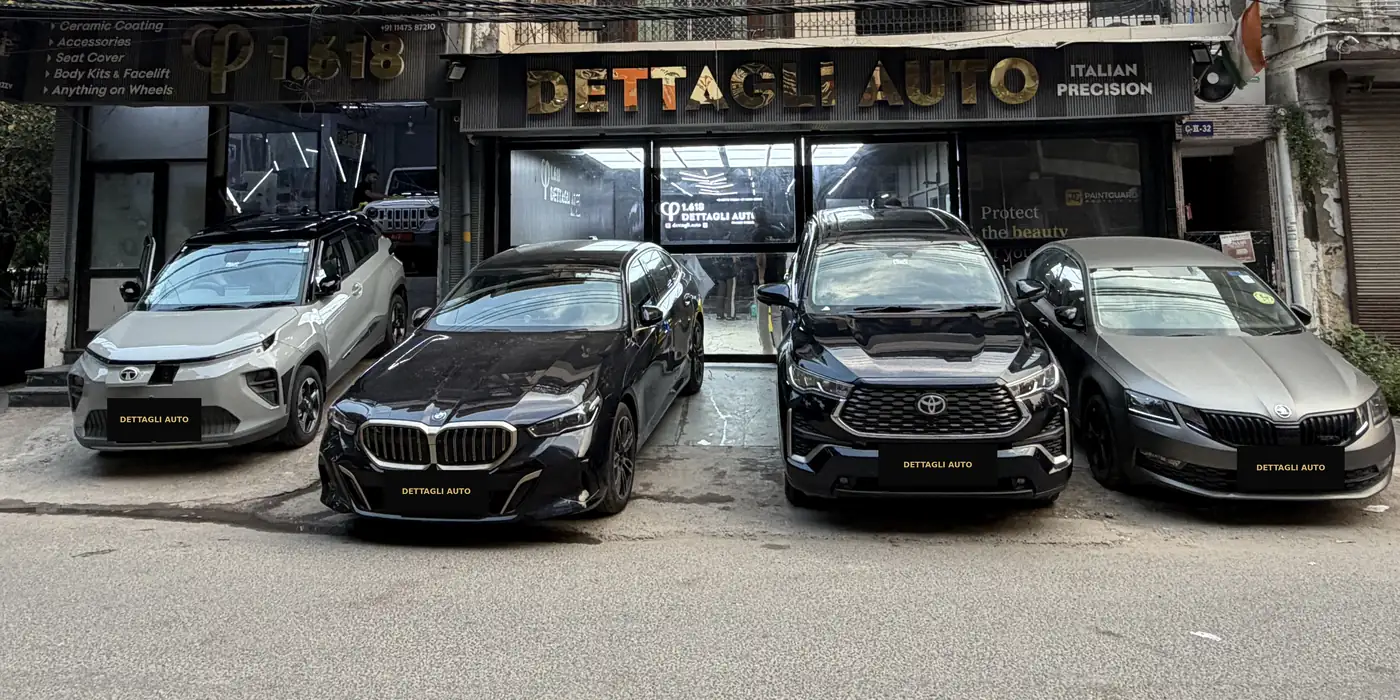
Photographed in our studio.