
Ceramic, graphene and teflon coatings compared.
A car-care guide
The best coating for your car suits its finish and washing routine.
General guidance from 1.618 Dettagli Auto, Lajpat Nagar, New Delhi.
First decision
Compare products, not coating labels
Compare the named products and included work, rather than choosing the most technical-sounding coating label. A useful proposal identifies the product, suitable surfaces, preparation and care instructions. That gives you something concrete to compare with another quotation.
Compare the products behind ceramic, graphene and teflon labels by their intended surfaces and care. Start with what you want to improve: gloss, easier cleaning or protection from physical chips.
Begin with the result you want. A glossy finish and easier washing lead to a different discussion from stone-chip protection. Existing paint marks also need their own assessment before a treatment is chosen.
Our ceramic coating service explains the treatment choice. A coating’s intended surfaces and preparation depend on the exact product and the car’s existing finish, not the category label alone.
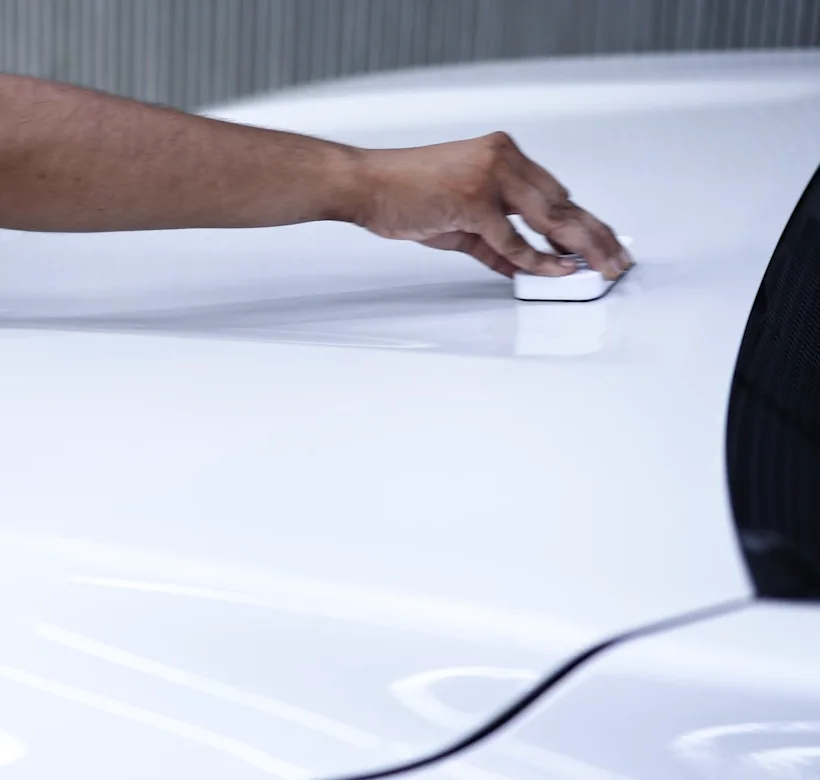
The comparison
Ceramic, graphene, teflon and borophene compared
The useful comparison is what each named treatment does on the intended surface. Use this table to organise the choices before comparing installed prices. The labels alone leave the formulation, included work and care requirements open.
For cost, compare ceramic coating prices against the same surfaces and preparation. A bottle price is different from an installed quotation. Keep product details, labour, extras and handover instructions together when weighing up value.
| Label | Starting point | Detail to establish |
|---|---|---|
| Ceramic | Liquid treatment for gloss and easier washing | Exact product, suitable surfaces and preparation |
| Graphene ceramic | A product can use both labels | Actual formulation, version and supported benefits |
| Teflon / PTFE | A material name needs an automotive product behind it | Manufacturer, intended use and application instructions |
| Borophene | Compare only an identified automotive product | Technical sheet, relevant evidence and offered scope |
| PPF | Physical film fitted over agreed painted panels | Film, finish, coverage and installation details |
Surface treatment
What ceramic coating does
Ceramic coating is a liquid treatment that adds gloss and makes washing easier. It can also change how water behaves on the treated surface. Those benefits concern the exposed finish, rather than a physical covering over the paint.
Coating will not stop stone chips, make paint scratch-proof or remove existing swirls. Any correction of existing marks belongs in the preparation discussion. Separate that work from the coating itself so the quotation explains both stages clearly.
Choose the product for the actual surface, not just the reflection in a photograph. Painted panels, trim and existing finishes need their own suitability checks. Our coating benefits and maintenance guide explains the appearance and care questions in more detail.
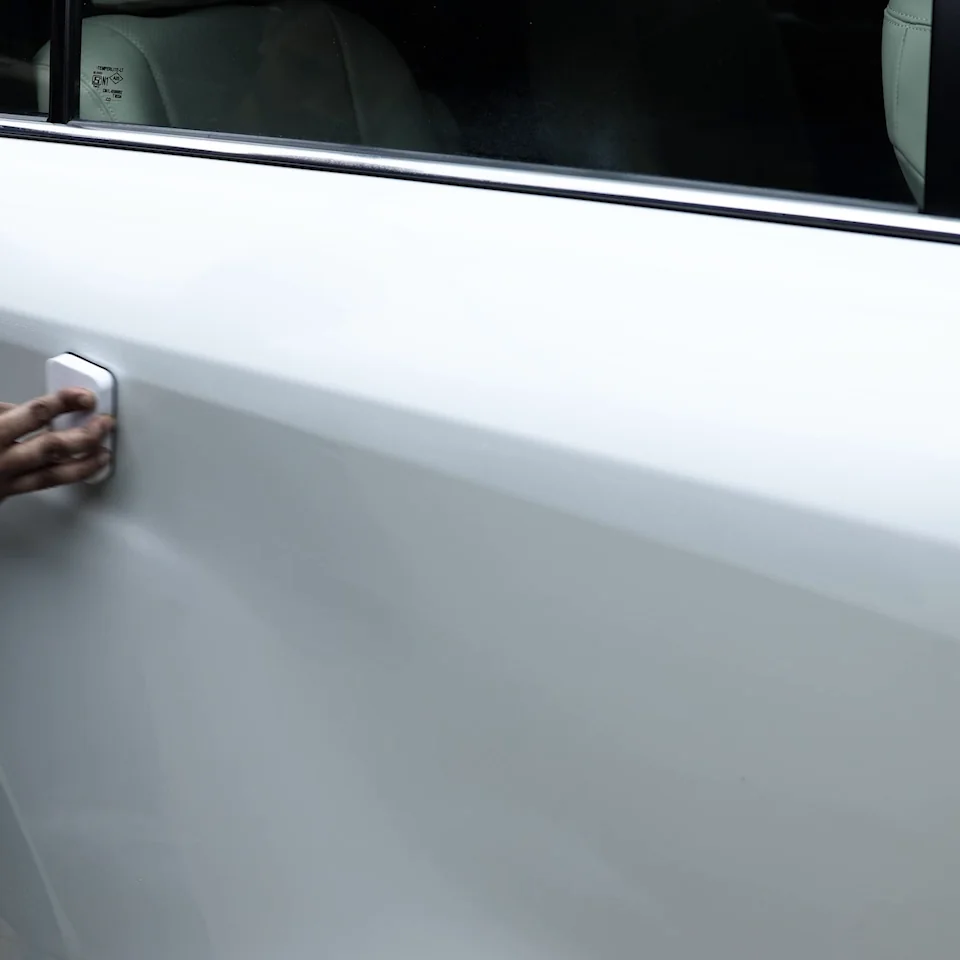
Named products
Is graphene coating different from ceramic?
Graphene and ceramic are not always separate product categories; some coatings use both words in their names. Compare the exact versions rather than assuming that one label automatically beats the other. The product instructions should explain its intended use.
A spray product and another professionally applied formulation need separate comparisons, even when their names sound similar. Check which surfaces each covers and how it is applied. Then compare any documented differences that matter to your routine.
Claims about cooler panels, fewer water spots or longer service need evidence for the specific formulation. The maker’s technical information, intended surfaces and care requirements are the basis for comparison; a graphene label alone does not establish those benefits.
Read the label
What teflon coating means for a car
A teflon coating proposal needs an exact automotive product before its benefits can be compared. Chemours identifies Teflon PTFE as a fluoropolymer resin. That material description is separate from the specification of a treatment sold for your car.
Look for the manufacturer, product version and intended surfaces in the proposal. Its instructions should explain application and care. Familiar terminology is less useful than knowing precisely what will be supplied and what work is included.
Keep the comparison focused on the car rather than on industrial material properties. For a teflon-labelled proposal, identify the exact automotive product and read its application and care instructions. The name alone does not establish its composition or durability. Once those details are available, compare the installed scope alongside the other options.
Product documentation
How to compare a borophene coating
Compare a borophene-labelled coating through its exact product name, technical information and intended automotive use. The label alone cannot settle the choice. A useful comparison explains the claimed benefit and shows what supports it for that formulation.
A broad discussion of a material is different from evidence about a particular automotive coating formulation.
Leave lifespan and performance figures out of the comparison until the product information supports them. The practical choice still comes back to surface suitability, included work and care. There is no need to choose the newest-sounding name first.
Testing words
What 9H and 10H coating claims tell you
A 9H or 10H claim needs the product’s test method and conditions to be useful. A number printed beside a package name leaves that context missing. Look for a clear explanation of what was tested and on which surface.
Pencil-hardness results and mineral-hardness scales answer different questions. A hardness label also does not describe a stone-impact test. Compare like-for-like evidence instead of treating the largest printed number as the complete specification.
Manufacturer documents are a better basis for this discussion than destructive demonstrations on your car. Keep any relevant test information with the quotation. That makes a claimed advantage easier to check without turning a sales demonstration into a buying rule.
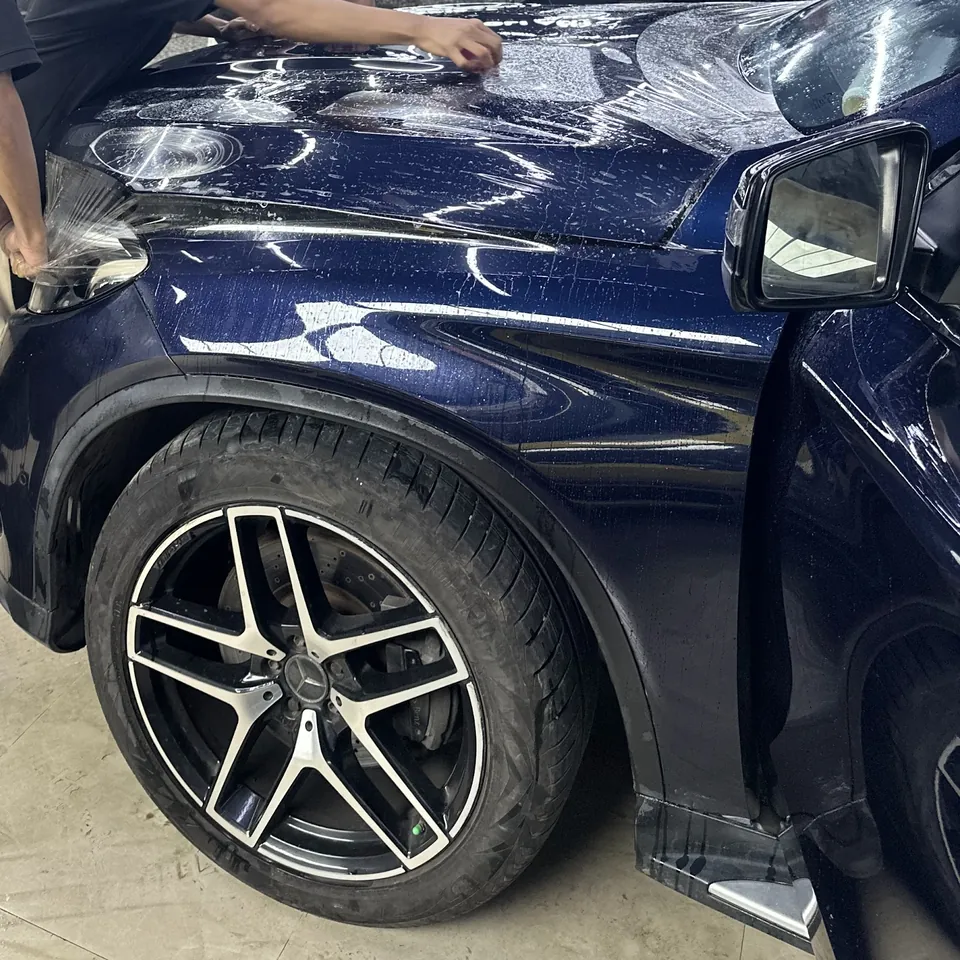
Physical covering
When PPF is the better discussion
PPF is the relevant discussion when your main concern is stone chips and light scratches hitting the paint. It is a physical film fitted over selected panels. Our film list includes Garware, LLumar and XPEL; the actual product and coverage come first.
At our Lajpat Nagar studio, PPF preparation and installation are included. You agree the film, finish and panel scope before work starts; GST is extra. Use PPF versus coating, wax and vinyl to compare that work with a liquid treatment.
If a combination is proposed, establish compatibility for the exact film and coating. Keep the surfaces for each stage separate in the quotation. A combined package should explain why both stages suit your priorities.
Next step
What to put in the coating quotation
The quotation should identify the product, surfaces, included preparation and installed cost. Keep those details beside the care instructions and written terms. If the proposed product changes, review the revised scope before approving it.
Choose the simplest plan that addresses your priority and fits your routine. A longer treatment name does not explain the work any better. Clear product details and a manageable care plan make the decision easier to revisit later.
When comparing two quotations, mark the differences before deciding which costs less. One may include correction while another lists only application. One may cover painted panels while another includes additional suitable surfaces. Those differences belong beside the price, not hidden behind the coating category.
Separate product terms from any installation support offered with the job. Record who receives a concern and which documents apply. A headline year figure needs its own conditions; it is not a substitute for the full product description and agreed work.
If your car already has a treatment, include its name and any available records in the assessment. The existing surface matters when choosing the next step. Keep the final care instructions accessible, especially when different parts of the car receive different products. That record makes later cleaning and maintenance discussions more precise.
- Exact manufacturer, product name and version.
- Suitable surfaces and any existing treatments.
- Preparation, correction and areas included.
- Evidence for any specific performance claim.
- Installed figure, GST and separately priced work.
- Care instructions, product terms and support contact.
A few answers
Questions before deciding
Is graphene always better than ceramic?
No. Compare the actual products; a coating can use both labels. The relevant differences are the documented benefits, suitable surfaces and included work.
Does teflon identify a complete treatment?
No. The quotation needs an automotive product name and instructions, together with the surfaces and work included.
Which coating suits my car?
Start with your paint condition, desired finish and washing routine. The offered product and assessed scope should answer those needs.
Where can I compare chip protection?
Use our PPF service to discuss physical film coverage, then compare the installed scope with your coating proposal.
Message the studio with your car model and the finish or work you want to discuss.
Studio visit
Prefer to see the options in person?
Arrange a studio visit to discuss the named coating, suitable surfaces, preparation and care before deciding.
C-32, Lajpat Nagar II, New Delhi 110024
Listed hours: daily, 10 am–9 pm.
Directions
Call the studio
Use WhatsApp to send your car model and preferred visit date.
Contact details & listed hours
Related reading: PPF service, PPF price guide, ceramic service.
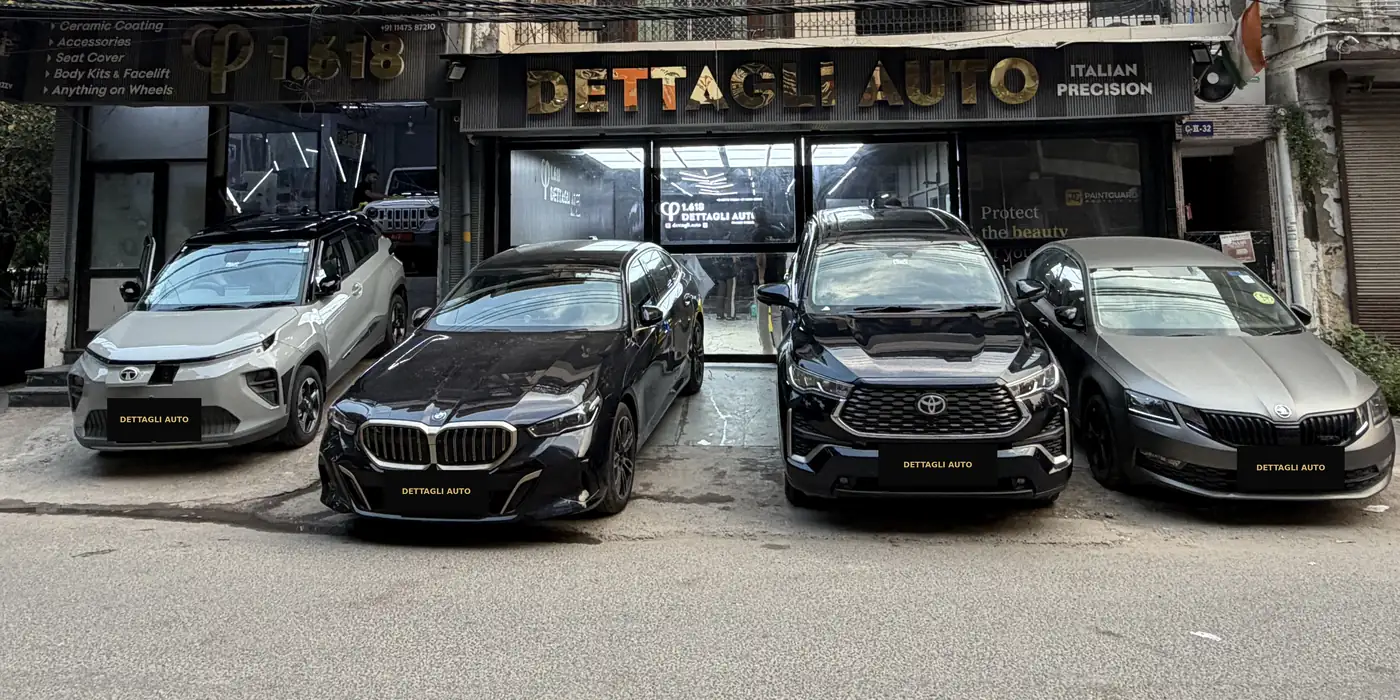
Photographed in our studio.