
What is PPF?
A car-care guide
PPF stands for paint protection film.
General guidance from 1.618 Dettagli Auto, Lajpat Nagar, New Delhi.
The short answer
What PPF means for a car
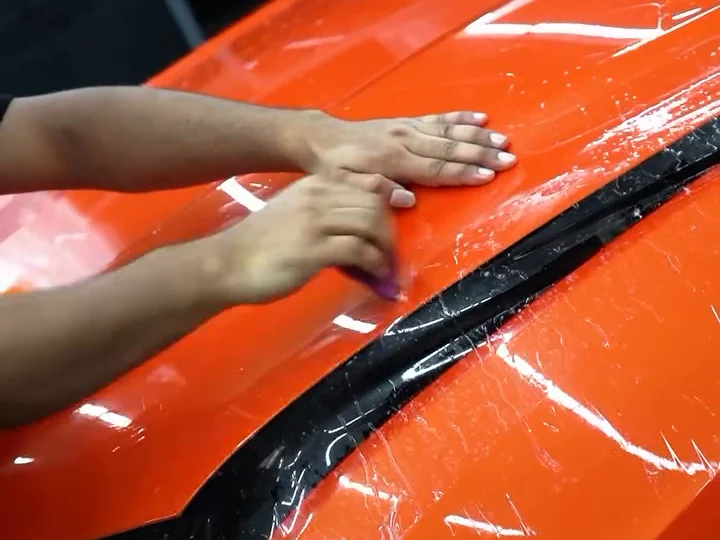
Paint protection film is a physical covering over selected painted panels, rather than a liquid applied to the paint. You may also hear it called a clear bra or, less precisely, a PPF coating. The important distinction is the fitted sheet of material. Our paint protection film service explains the studio’s installed work.
It is a clear, tough layer fitted over your car’s paint, so stone chips and light scratches hit the film first. At our Lajpat Nagar studio, preparation and installation are included. You agree the film, finish and panels before we start.
The film becomes the surface you touch and wash wherever it is fitted. Your paint remains beneath it. That makes the panel list part of the protection decision, alongside the product itself. A proposal for a few panels and one for the whole painted exterior describe different jobs.
Start with what you want to protect: the paint’s appearance, particular panels or areas where existing marks bother you. There is room for a smaller coverage plan. Buying film is a choice about your car and budget, not a requirement attached to owning a new vehicle.
For example, wanting a physical covering on selected panels is a different brief from wanting easier washing across the car. Put that priority into the first conversation. It helps keep the recommended treatment connected to your reason for enquiring, rather than starting with the largest package available.
Inside the material
How the film works
PPF works through a protective film layer held over the paint by adhesive, with a top surface exposed to everyday use. Polyurethane forms the body of many automotive protection films. The topcoat provides the surface characteristics of the named product, while the adhesive holds the covering in place.
Read the diagram from the outside towards the car: top surface, film, adhesive and existing paint. These parts have different jobs. The top surface is where washing marks may appear; the film provides the physical covering. Neither part becomes a fresh layer of the car’s original paint.
The diagram explains the arrangement, not a thickness specification. For that, use the technical sheet belonging to the film on your quote. A material name, a finish name and a total thickness each describe something different. The film-types guide explains those fields without turning them into a single quality score.
Illustrative film layers
Top surface / topcoat
Base film
Adhesive layer
Vehicle paint below
Illustration of the functional layers in a film construction. Check the named product sheet for its exact material and dimensions.
Paint and finish
What PPF protects against
PPF helps protect covered paint from stone chips, light scratches and everyday surface wear. The film takes that contact in place of the paint. It will not stop every chip, prevent dents or fix damaged paint. Choose the coverage around the areas that matter to you.
Coverage is a panel list, not just a package name. Front and full-body packages can differ in included panels, excluded surfaces and the boundaries of the film.
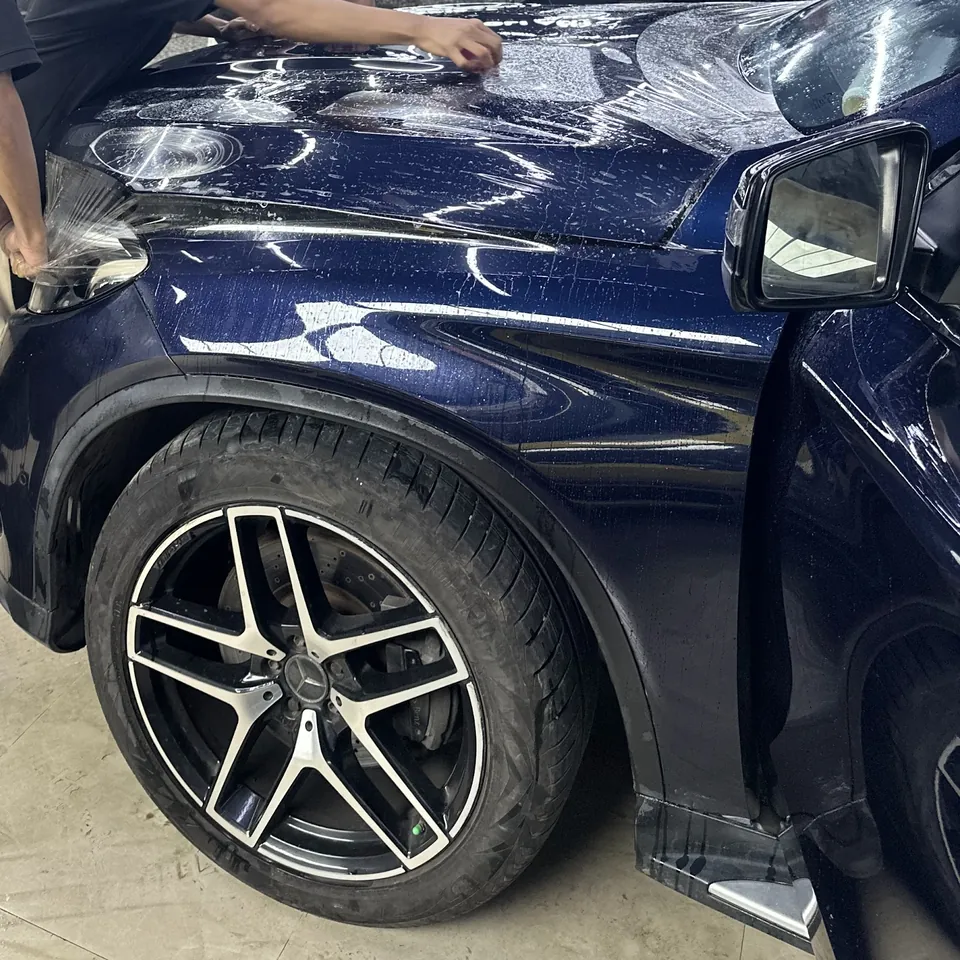
Close photographs can show an edge or join; wide views show the overall appearance. Neither establishes the coverage of a different car.
Partial coverage leaves a boundary between protected and unprotected paint. Its location matters when comparing two similarly named packages.
Surface behaviour
What self-healing means
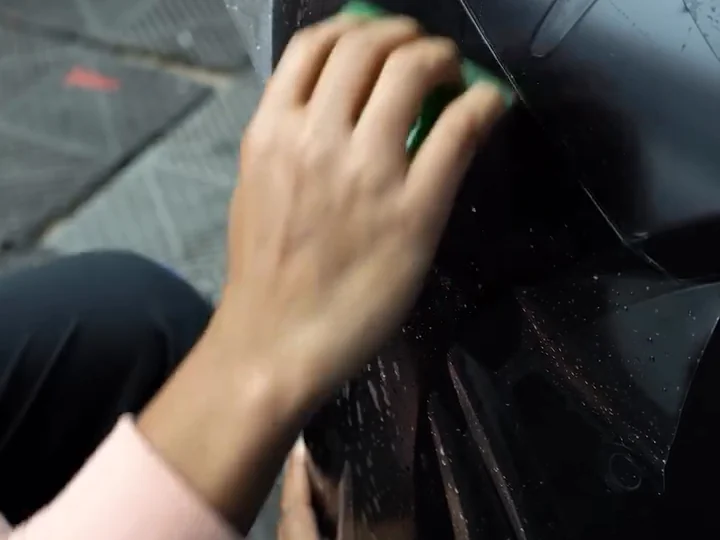
Self-healing means fine surface marks can fade with heat on films designed for that feature. It works on light swirls and scratches in the top layer. A deep cut, torn film or missing material needs a different assessment. The feature belongs to the selected product’s surface, not the paint below.
A sample demonstration is most useful when it matches the film being discussed. Look at the kind of mark shown and the resulting surface. This gives you something concrete to compare with the product description, instead of treating the word self-healing as a complete explanation.
For a mark on an installed car, take a photograph and get it assessed before trying heat or abrasive products. Start with the film’s care instructions. An online demonstration may show another product, another kind of mark or conditions quite different from the ones on your car.
Appearance options
Clear, matte and other finishes
Clear, matte and coloured films describe different visual choices, while the product specification describes their construction. A clear gloss film suits a discussion about retaining a glossy appearance. Matte and satin choices concern a different surface look. Compare matte and satin choices in the dedicated guide.
Compare the actual sample with your car’s colour and existing finish. Say whether you want the appearance retained or changed. A finish that looks appealing on another colour may not be the result you have in mind. The sample should carry the same product identity as the proposal.
Black paint and black film can look similar in a photograph; the image alone does not identify the material. Film suitability depends on the existing surface. For a colour change, confirm the applicable registration requirements with the relevant authority.
Compare treatments
PPF, ceramic coating and repainting
PPF is a fitted film, ceramic coating is a liquid surface treatment, and repainting addresses the paint finish itself. Ceramic coating adds gloss and can make washing easier; it will not stop a stone chip. Film and coating therefore answer different needs rather than competing as identical products.
A combined proposal needs to show which product goes on which surface. Compatibility and application order belong to the selected products’ instructions. Read the film, ceramic, wax and vinyl comparison to separate these choices. Decide whether each part answers a real priority before choosing a combined package.
Repainted panels, repairs and earlier surface treatments affect suitability for film. A new registration date does not describe the condition of every panel; paint history and current condition matter more.
Your decision
Is PPF worth it for your use?
PPF can be worth considering when protecting the appearance of selected paintwork matters enough to justify the installed cost and ongoing care. Start with the areas you value, your preferred finish and your budget. Then compare a specific coverage plan with leaving the car as it is.
For a new car, bring delivery-condition notes and details of any treatment already applied. The new-car guide and checklist help organise those details. This keeps the discussion tied to the vehicle in front of you, rather than a general package intended for every new owner.
For a car you already use, note the panels you are concerned about and the marks you want assessed. Protection and repair can then be discussed separately. Keep the invoice, product identification and applicable records afterwards. Those records explain the work.
Claims to question
How to read common PPF claims
Read a PPF claim as a product feature, panel list or written term. The table separates those meanings so broad sales phrases become comparable details.
| Claim | What to compare |
|---|---|
| Every PPF is the same | Named product, base material, top surface and finish |
| Full body | Included painted panels, edges and excluded surfaces |
| Long warranty | Issuer, covered defects, conditions and available remedy |
| Easy maintenance | Cleaning products and care instructions for the selected film |
| Premium appearance | Matching sample, intended finish and the car’s existing surface |
| Best value | The same vehicle, preparation, coverage and tax basis |
Installed scope
Compare installed work, not roll prices
An installed quote covers work on your car; a roll price covers material alone. Compare the same film, finish and panels. Our PPF price guide explains the installed quote.
Extra panels or a different preparation requirement change the scope. Optional work belongs beside the main package, not hidden inside its name.
Exclusions and applicable written terms can explain price differences even when the brand matches. Product identity and included work are the basis for comparison.
A film-only proposal and one bundled with coating describe different jobs. Separate their components before judging the total.
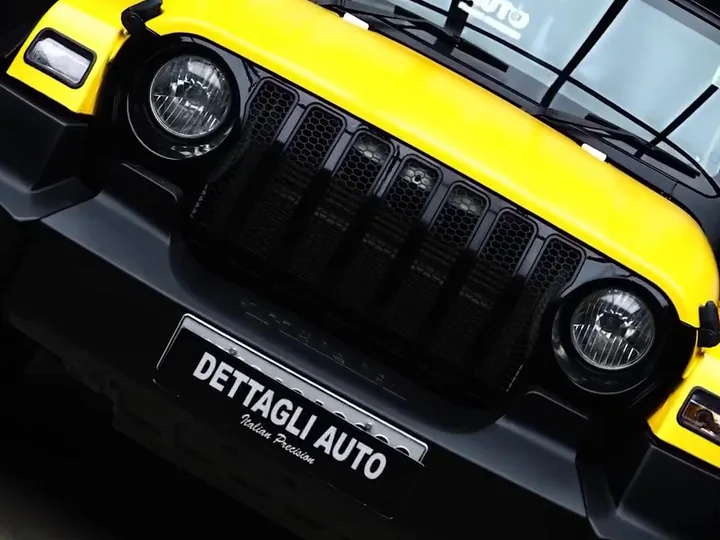
After handover
Warranty, washing and removal
Care follows the selected film’s instructions, warranty follows its written terms, and removal starts with the paint and film history. Keep these three parts together at handover. They tell you how to look after the surface and which documents belong with a later enquiry.
First-wash timing varies by product: 3M says to wait one week before washing or waxing its described Pro Series film. Use the instructions supplied for your own film. Retain the care sheet alongside the invoice, product details and any registration record required by the applicable warranty.
Product-warranty terms concern the film; they do not by themselves describe installation support. The lifespan and warranty guide explains the distinction. Removal risk depends on the fitted material and the condition and repair history of the paint beneath it.
A few answers
Questions before deciding
What is the full form of PPF in a car?
PPF means paint protection film. It is fitted over selected painted panels as a physical covering. The abbreviation describes the material category, while the quote identifies the actual film and work.
Does PPF mean the same thing on a bike?
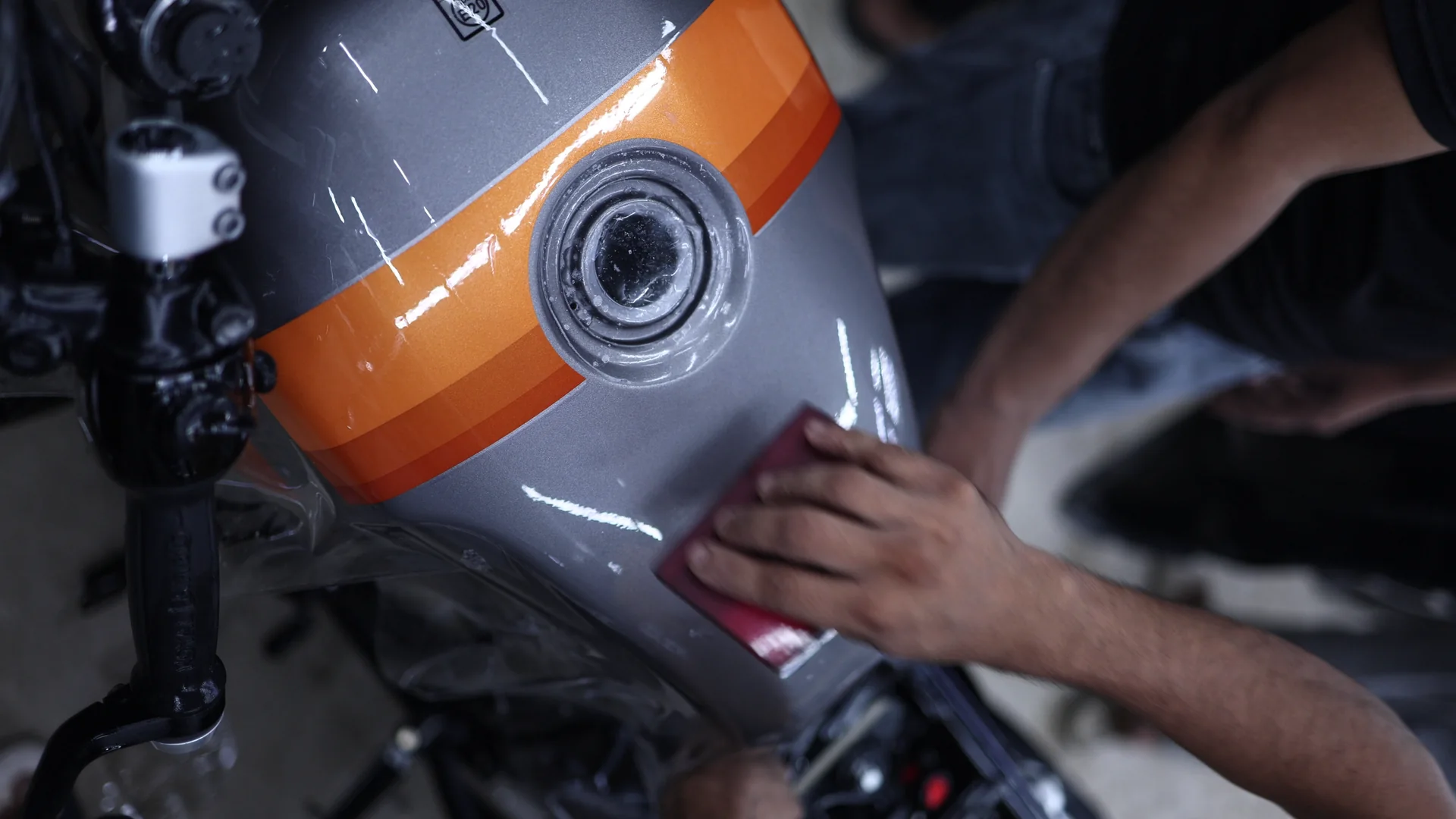
Yes, it still means paint protection film. The coverage discussion changes with the motorcycle and its surfaces. Bike PPF covers that choice, including which areas you want included in the proposal.
Can PPF go over existing marks?
Existing marks need assessment before fitting. Show the areas that concern you and share the paint’s repair history. This separates the protection decision from any preparation or paint work needed first.
Do I need a particular brand?
Choose the named product and installed scope together. The brand comparison shows how to compare film features, finish and written terms, rather than making the decision from a familiar logo alone.
What should I keep after installation?
Keep the invoice, product identity, care instructions and applicable warranty or registration records together. They provide a clear record of what was supplied and make a later care or support conversation more straightforward.
Message the studio with your car model and the finish or work you want to discuss.
Studio visit
Prefer to see the options in person?
Arrange a studio visit. Talk through your questions about film, finish and coverage before deciding what suits your car.
C-32, Lajpat Nagar II, New Delhi 110024
Listed hours: daily, 10 am–9 pm.
Directions
Call the studio
Use WhatsApp to send your car model and preferred visit date.
Contact details & listed hours
Related reading: PPF service, PPF price guide, ceramic service.
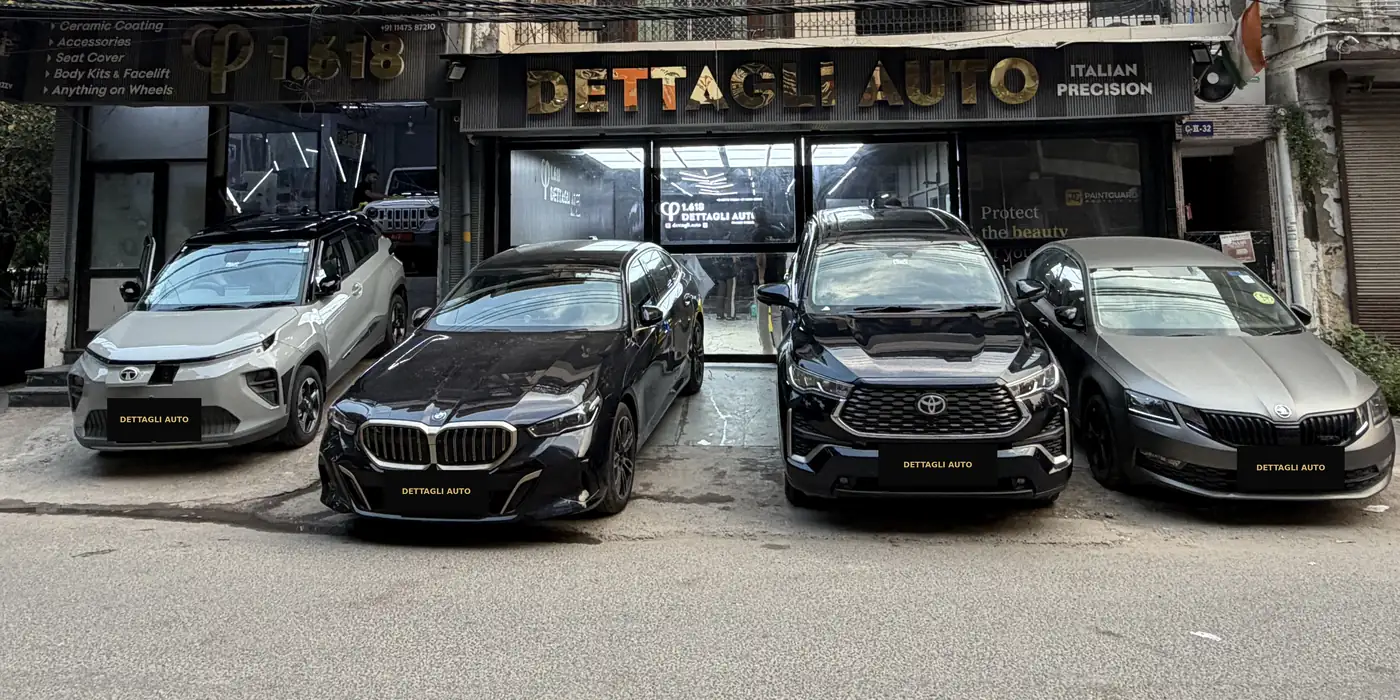
Photographed in our studio.